A smart design-build contract is one of the best ways to protect your dream home or renovation from stress later on. Many homeowners around Doylestown are excited to start a custom home, addition, or major renovation, especially as cooler weather approaches. Then the surprises hit, like design changes in the middle of construction or extra costs that no one planned for.
Choosing the right design-build contractor in Doylestown matters more than ever, with busy construction schedules and tight timelines. The good news is that you can stay in control. By asking clear questions up front, you set expectations, protect your budget, and keep your project moving on a realistic schedule.
Protect Your Dream Home Investment From Day One
When you are eager to finish a project before winter, it is tempting to rush through the early steps. That is usually when problems start. A contractor might say, "We will figure that out later," and later ends up meaning delays, change orders, and tension.
Before you sign anything, ask each design-build contractor in Doylestown how they will help you avoid mid-project surprises. Good questions include:
- How do you plan and price the project so we are not redesigning during construction?
- How do you keep us informed when materials, lead times, or township rules affect timing?
- How do you protect us from last-minute changes that push us past our target completion window?
You want honest, straightforward answers. If a contractor brushes off your concerns or stays vague, that is a red flag. Your home is a major investment, and the planning stage should feel organized and clear, not rushed.
Clarify Vision, Scope, and Fit Before You Commit
A strong design-build partnership starts with a clear vision and realistic scope. Many homeowners have a long wish list but are not sure what will actually work in their home, their neighborhood, or their budget range.
Ask questions such as:
- Do you offer design workshops or working sessions to sort needs and wants?
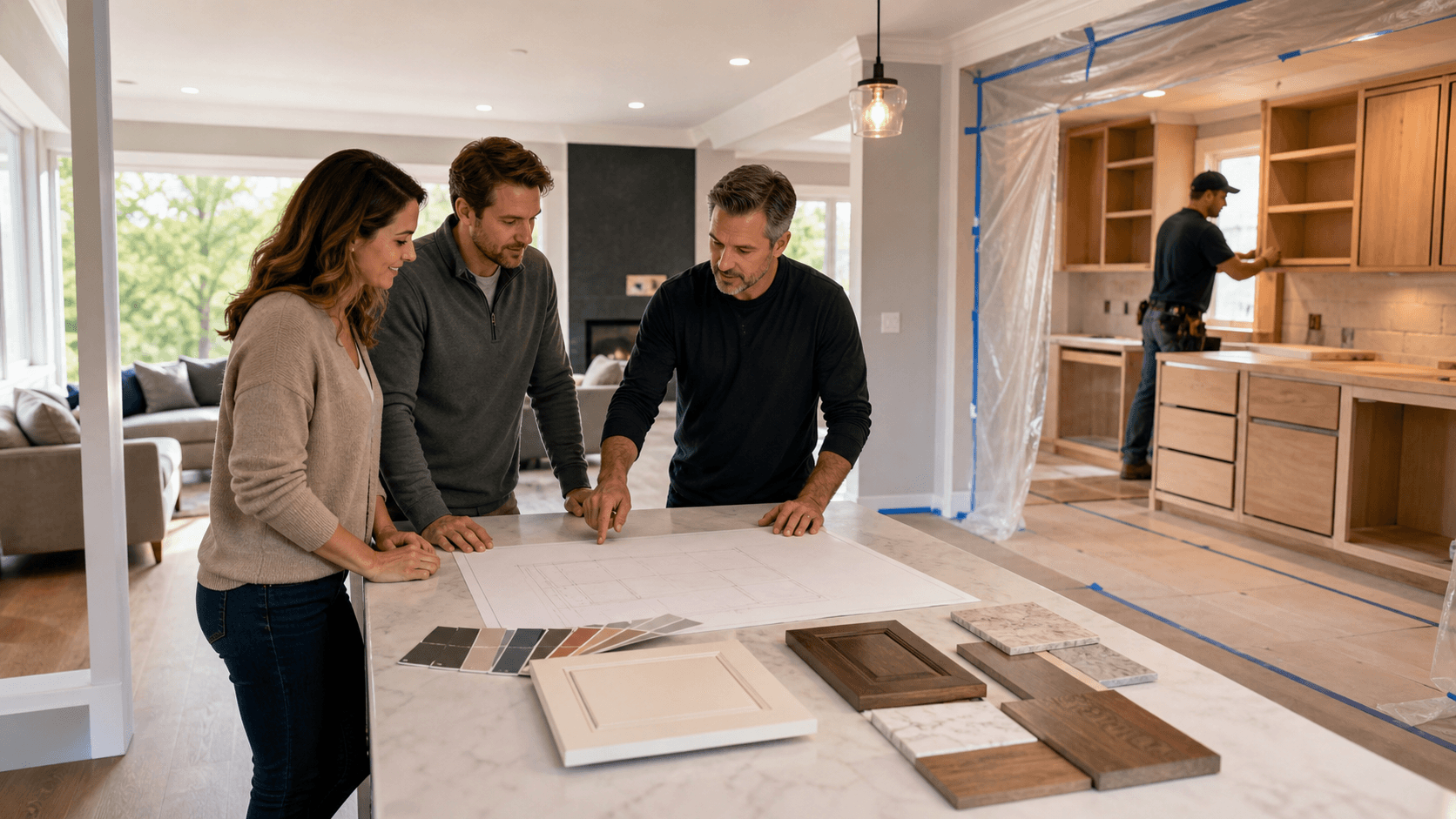
- Will we see 3D renderings or detailed drawings before we approve the design?
- How many rounds of revisions are included in your design phase?
Local experience matters too. In Bucks and Montgomery Counties, there are historic homes, tricky lots, lakeside sites, and HOA communities, often with extra approvals. Ask questions like:
- Have you done custom homes or additions on lots similar to ours?
- Do you have experience with older homes or historic properties in and around Doylestown Borough?
- Have you worked in HOA neighborhoods, and how do you coordinate with their rules?
Finally, check for fit and communication style. Ask who your main contact will be, how often you will meet, and how design decisions are documented. You want to know that every choice, from layout to finishes, is written down and agreed on so nothing falls through the cracks.
Get Clear on the Design-Build Process and Timeline
A clear process gives you a roadmap from first meeting to final walkthrough. Ask any design-build contractor in Doylestown to walk you step by step through how they work. Typical phases might include:
- Initial consultation and site visit
- Concept design and budget alignment
- Detailed drawings and selections
- Permitting and approvals
- Construction and inspections
- Final walkthrough and handoff
Ask for estimated timelines for each phase, especially if you hope to start in late summer or fall. Good questions include:
- When does design need to be finalized to break ground before cold weather hits?
- How long do your projects like ours usually take in this area?
- What could cause delays, and how do you plan around them?
Permits and inspections in local townships can take time, and every municipality has its own rhythm. Ask who prepares and submits drawings, how they track review times, and how they coordinate with Doylestown and nearby townships. A contractor who understands local offices and seasonal slowdowns is more likely to keep your schedule realistic.
Ask the Right Budget and Contract Questions
Money talk should never be fuzzy. You want clear, early conversations about budget, scope, and what happens if things change.
Start with how they build a preliminary budget:
- When do we receive a ballpark range, and how accurate is it usually?
- When do you provide a detailed fixed-price proposal?
- What is included and excluded, such as appliances, fixtures, or landscaping?
Change is common in construction, but it does not have to be painful. Ask how the contractor handles:
- Change orders when you add or alter features
- Unforeseen conditions that show up once walls or floors are opened
- Contingency funds and how they are tracked and reported
Then review the contract and payment schedule. Payments should match clear milestones, like completion of framing or installation of finishes. Ask about deposit amounts, how they protect you from cost creep, and whether any retainage is held until final completion. You should feel confident that you are paying for real progress, not vague promises.
Verify Quality, Team, and Warranty Standards
Quality does not happen by accident. It comes from the right people, clear standards, and follow-through after you move in.
Start with the team. Ask who will actually be on your job:
- Do you have in-house carpenters, or do you work mostly with subcontractors?
- How do you choose your trade partners?
- Will we have a dedicated project manager on site or as our main point of contact?
Then talk about quality controls. Ask how often they visit the site, what checklists or inspections they use, and how they handle punch lists before you reoccupy the space. You want to know that issues are caught early, not left for you to find.
Warranty and follow-up are just as important. Ask how long their workmanship warranty lasts, what it covers, and how you request service. In our climate, it can be helpful if your contractor is willing to check exterior work after freezing and thawing cycles, or to address seasonal settling that might show up later.
Compare Local Experience and Communication Style
When you talk to more than one design-build contractor in Doylestown, you will notice differences in how they communicate and how well they understand local homes. Ask what sets them apart in nearby PA and NJ communities. Good topics include:
- Long-term relationships with local trades
- Knowledge of neighborhood character and typical house styles
- Experience with historic homes, rural properties, or homes near lakes and streams
Ask for recent local references and, when possible, project tours or photo galleries of homes in Bucks and Montgomery Counties that are similar to yours. When you speak with past clients, focus on questions about communication, cleanliness, and staying on schedule, not just the final look.
Communication tools matter too, especially if you travel or will not be living in the home during construction. Ask if they use:
- Client portals or project apps
- Weekly email or phone updates
- Shared photo folders to show progress and site conditions
- A clear process for handling questions when you are not on site
When you combine strong local experience with open, steady communication, your design-build project feels far less stressful and far more predictable.
Using these questions as your personal checklist helps you walk into any meeting with confidence. With the right design-build partner and a clear understanding of vision, process, budget, and quality, you can move forward on your Doylestown custom home, addition, or renovation knowing you made a careful, informed choice.
Get Started With Your Project Today
If you are ready to turn your ideas into a home that fits your life, our team at Lakeside Custom Homes & Renovations is here to help. As a trusted design-build contractor in Doylestown, we guide you from initial concept through final walkthrough with one coordinated process. Tell us about your goals, budget, and timeline, and we will create a clear plan to move your project forward. To begin the conversation, simply contact us today.